
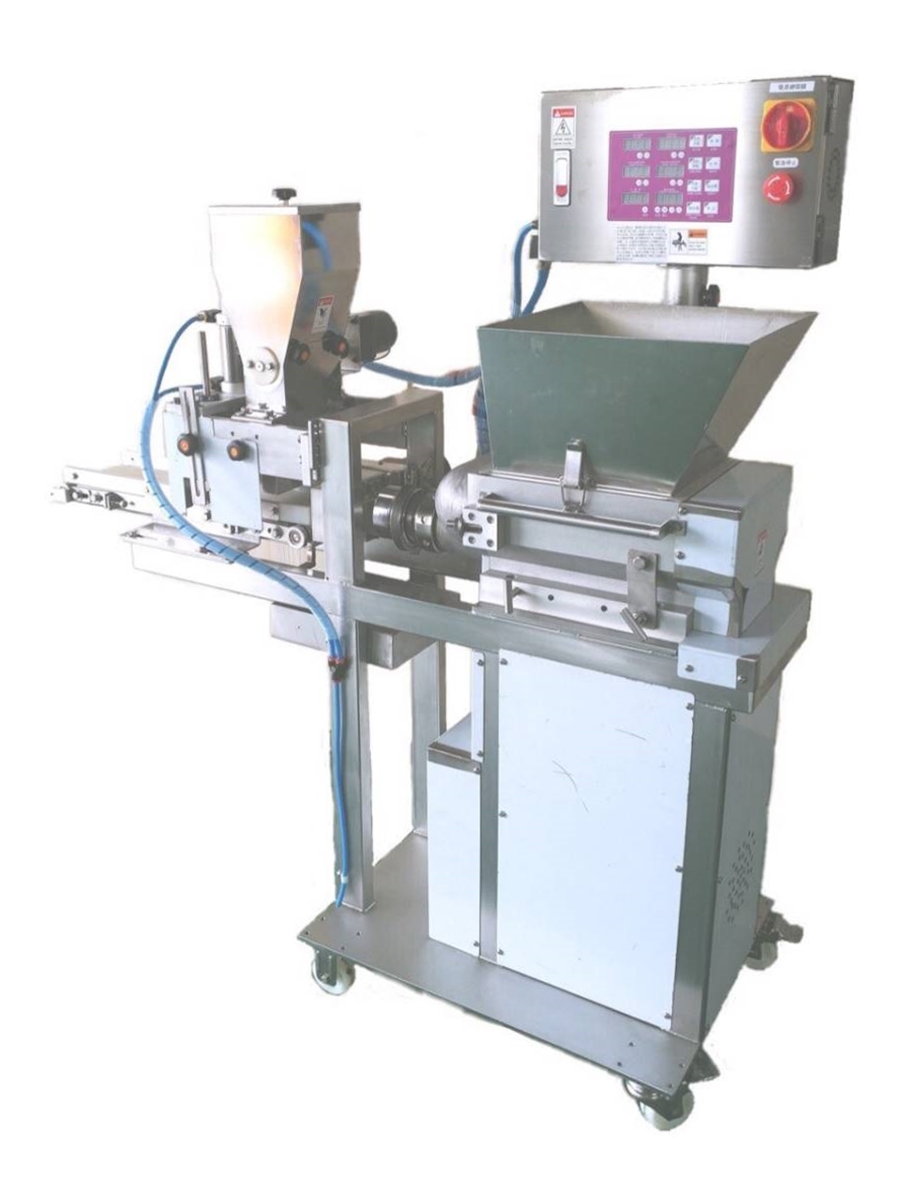
Sweet Potato Ball & Taro Ball Portioning Machine DY-528MS
Microcomputer-controlled fully automatic portioning. Output 3000–12000 pieces/hour; 10g–30g or heavier per piece.
Please call for a quote
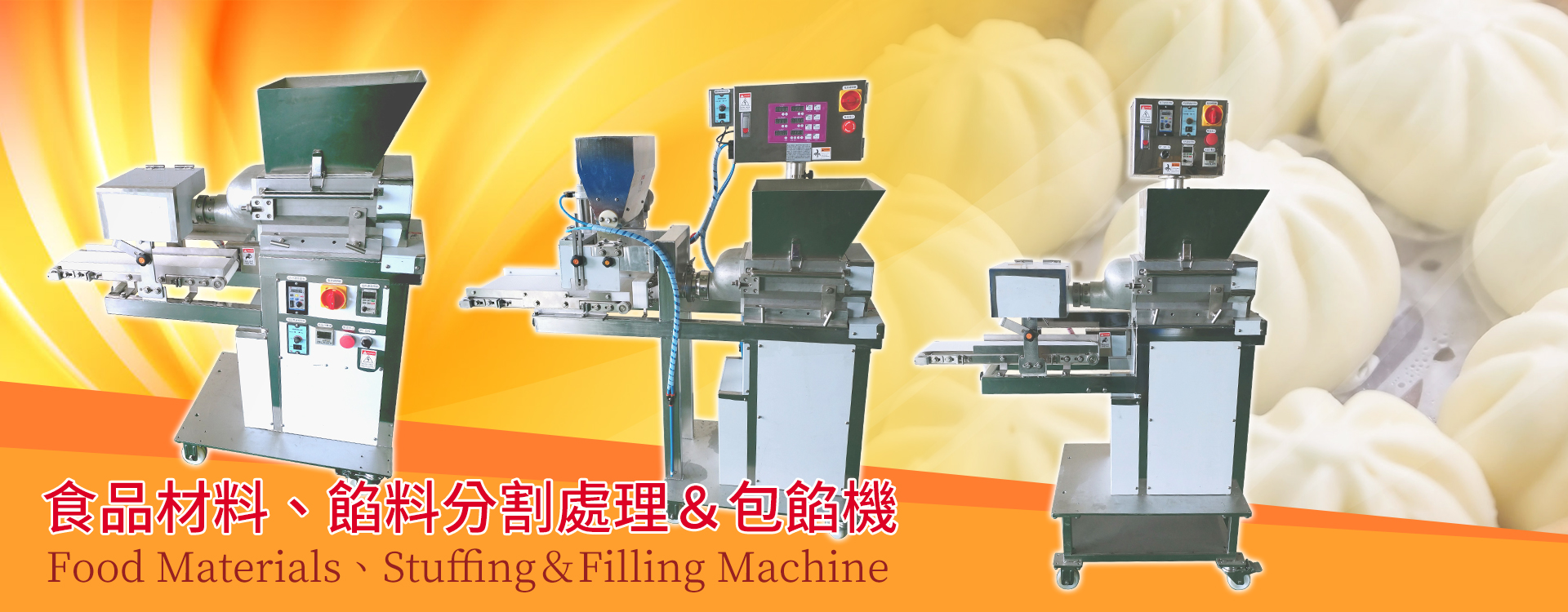
Microcomputer-controlled fully automatic portioning. Output 3000–12000 pieces/hour; 10g–30g or heavier per piece.
Please call for a quote
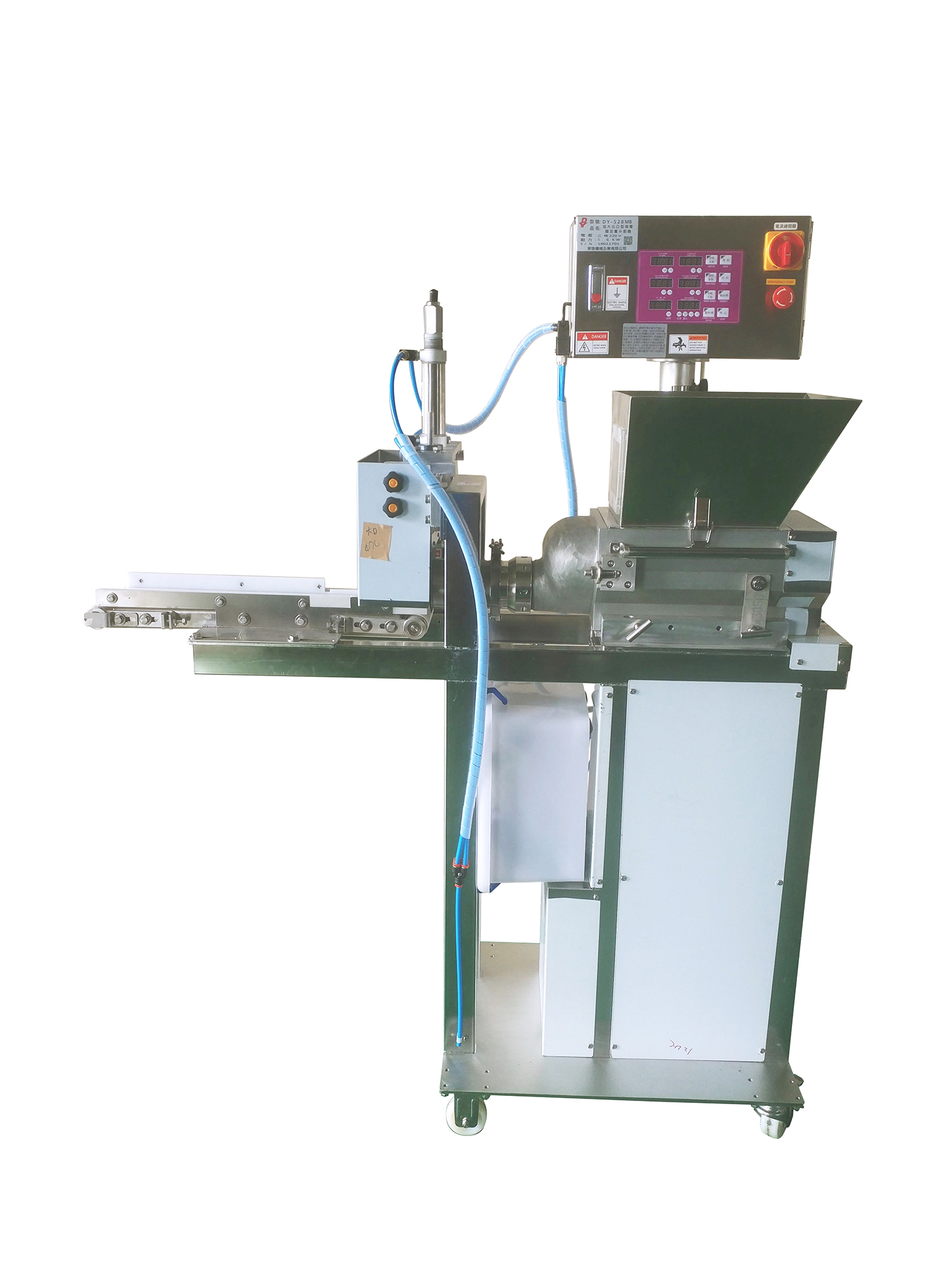
Automatic portioning of dough and fillings. Output 3000–12000 pieces/hour; 10g–30g or heavier per piece.
Please call for a quote
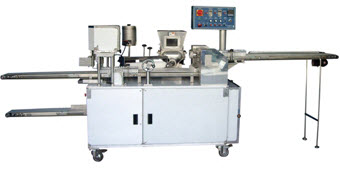
Works the way traditional hand-making does, without damaging the dough structure. Capacity 2000–12000 pieces/hour.
Please call for a quote
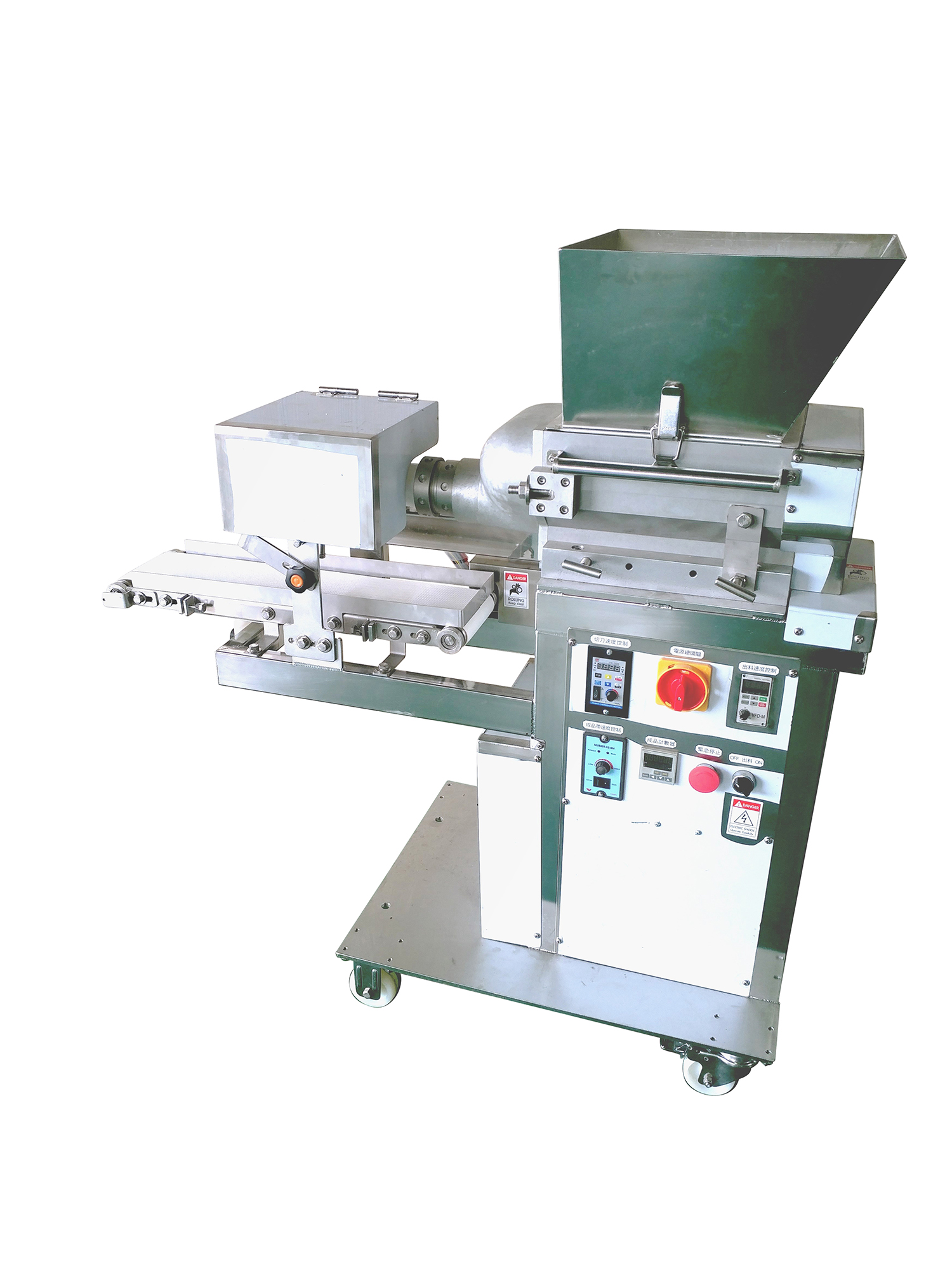
Portioning machine for food ingredients, materials, and fillings. Please call for specifications and suitable foods.
Please call for a quote
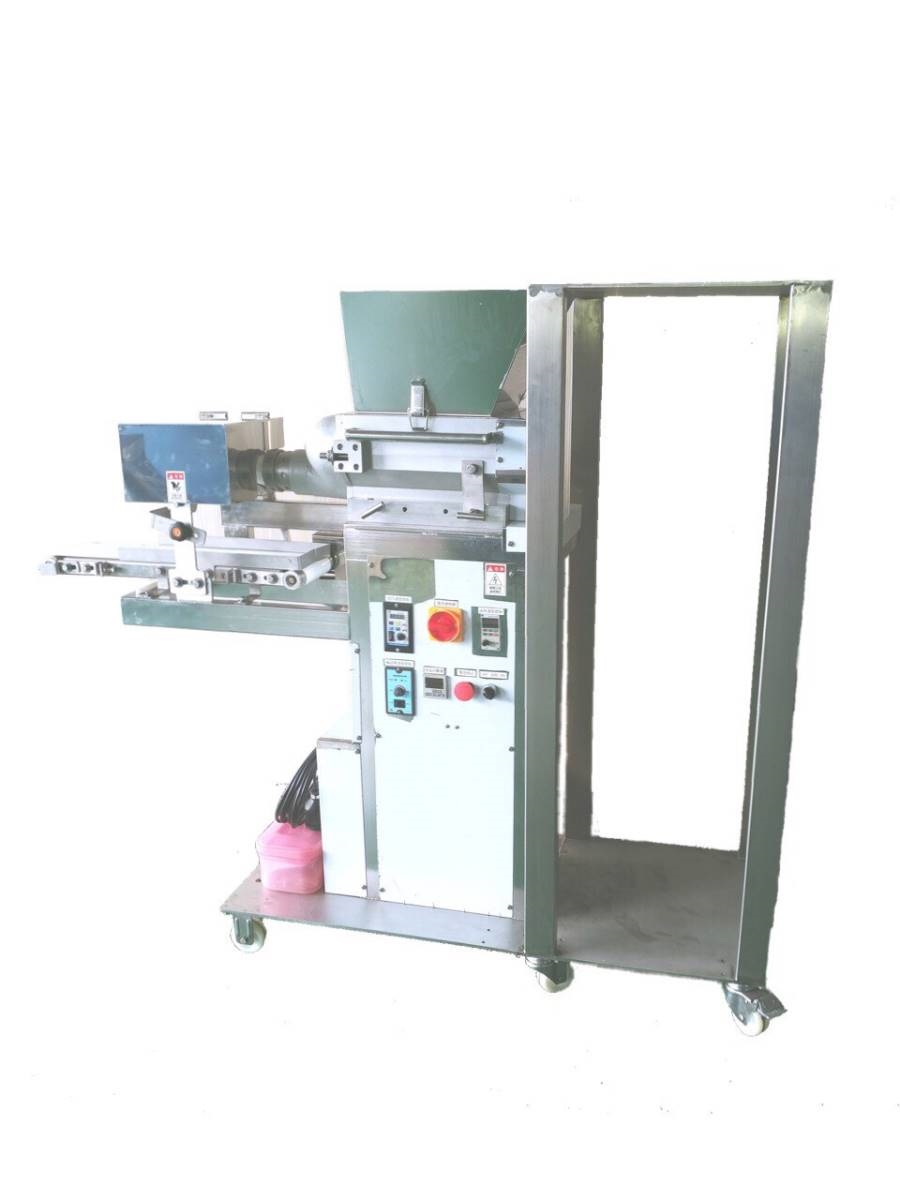
Portioning machine for food ingredients, materials, and fillings. Please call for specifications and suitable foods.
Please call for a quote
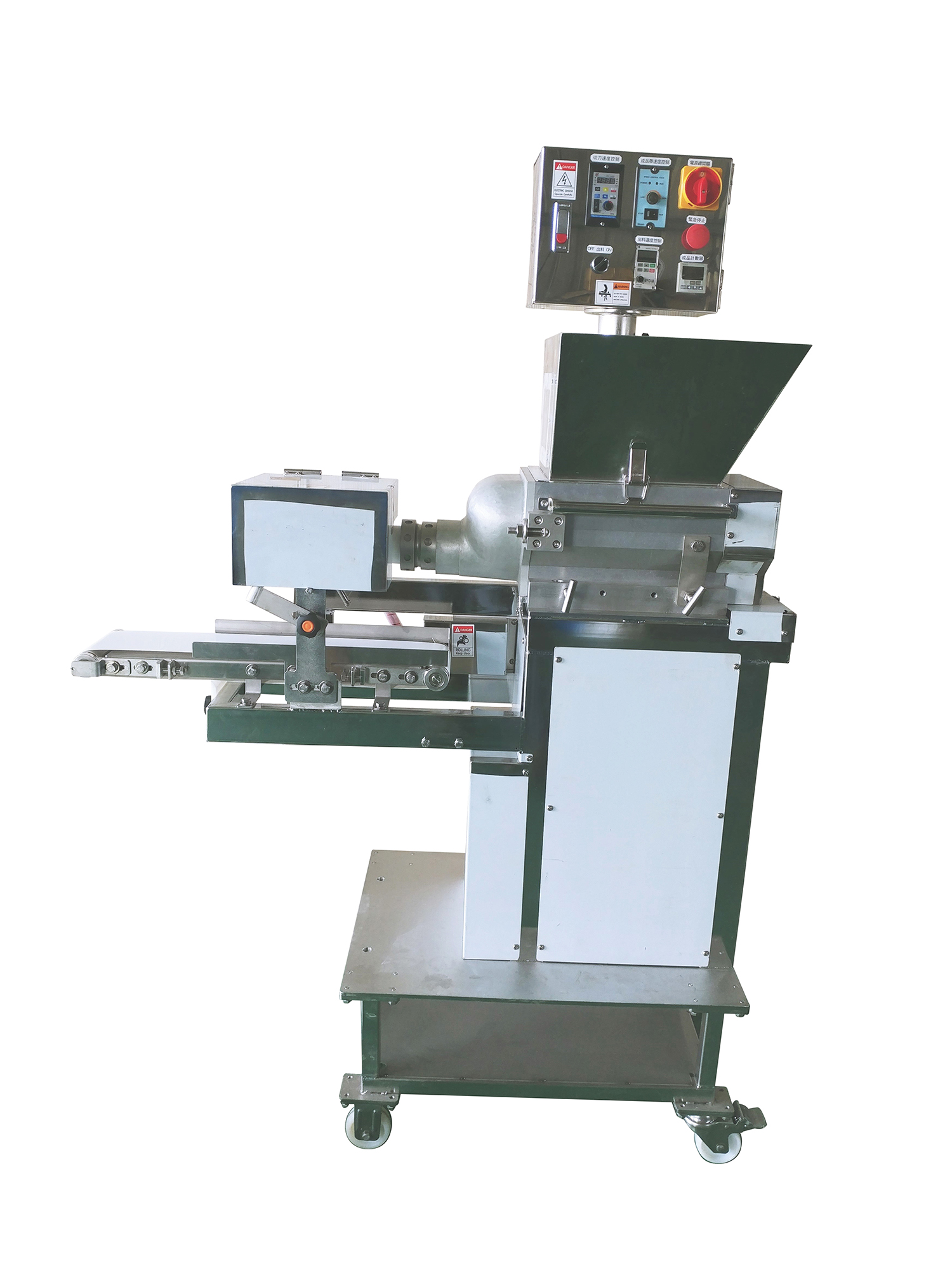
Portioning machine for food ingredients, materials, and fillings. Please call for specifications and suitable foods.
Please call for a quote
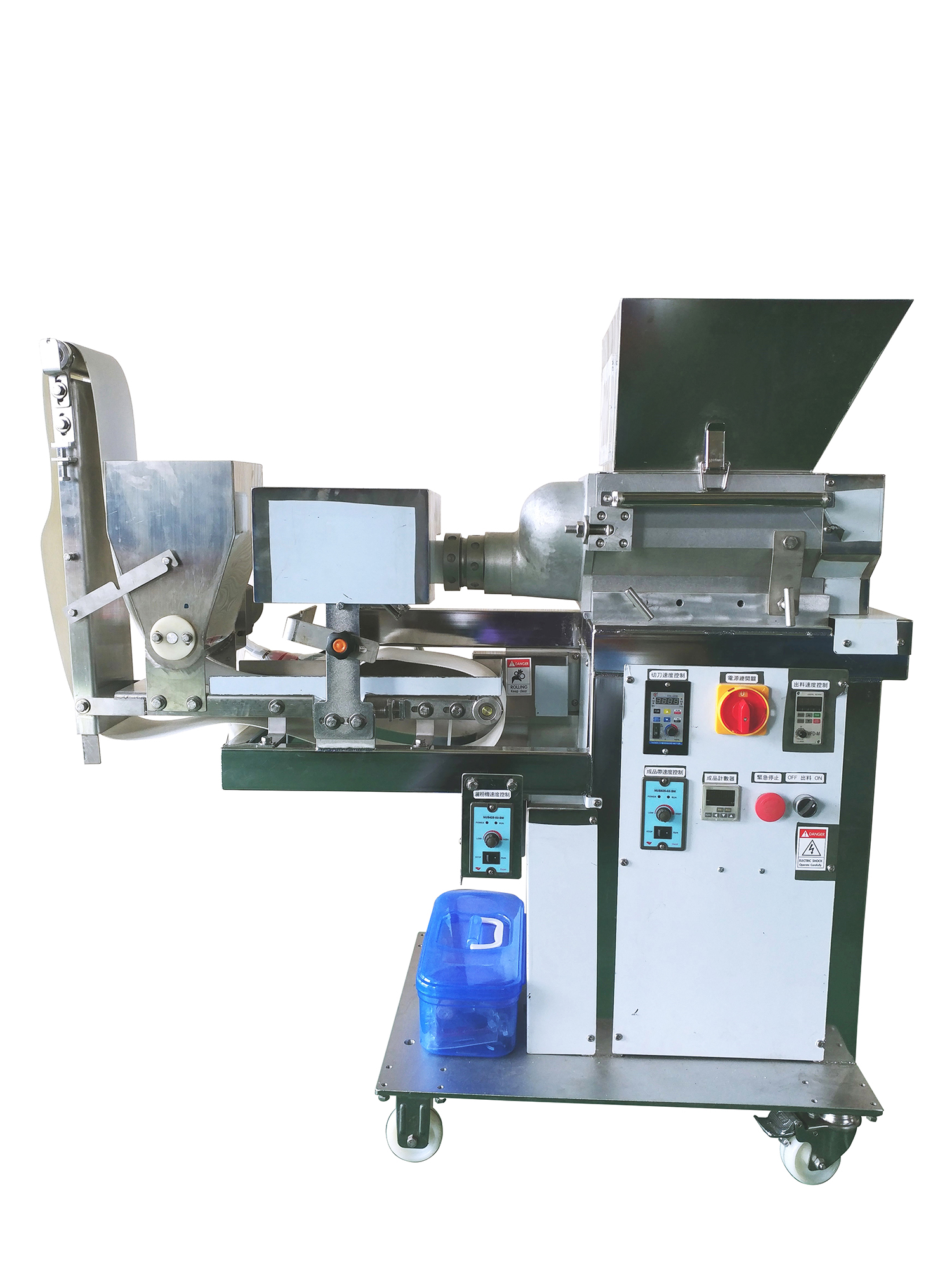
Portioning machine for food ingredients, materials, and fillings. Please call for specifications and suitable foods.
Please call for a quote
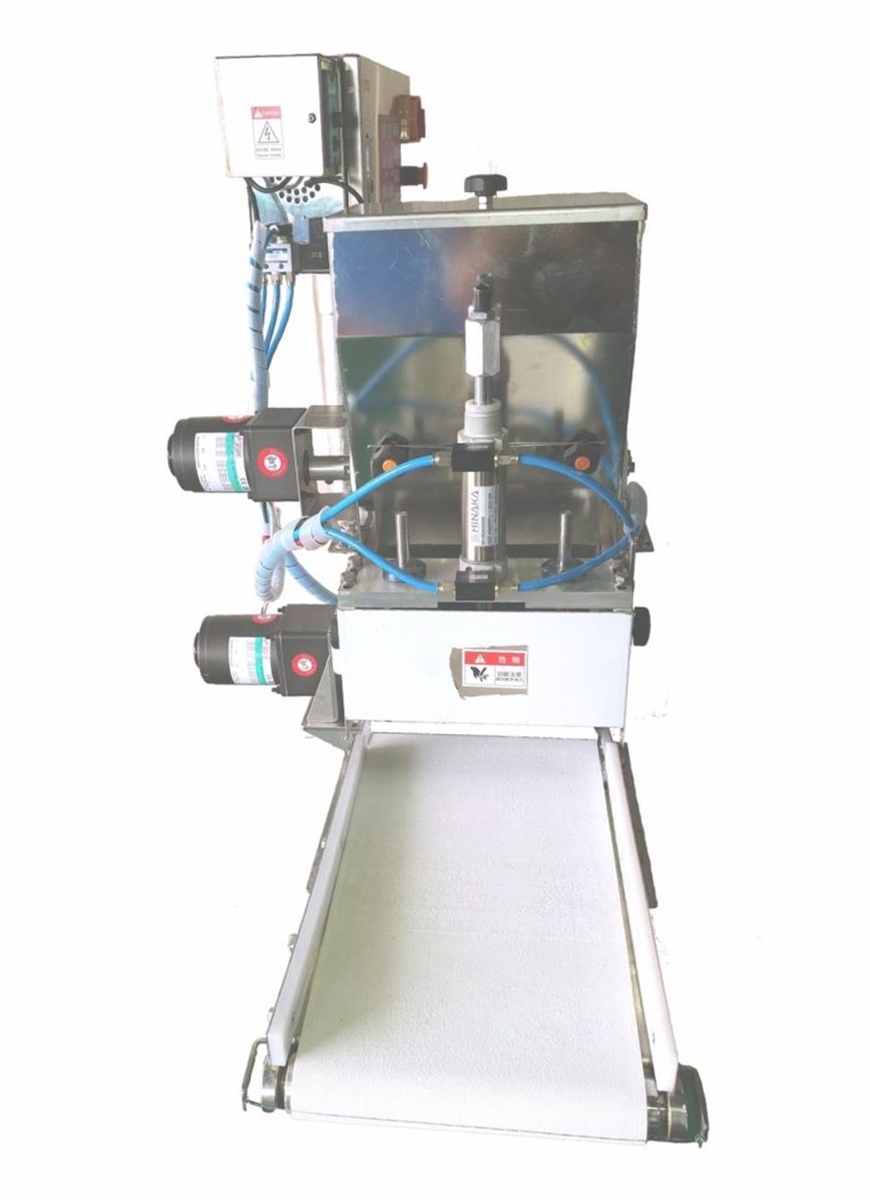
Portioning machine for food ingredients, materials, and fillings. Please call for specifications and suitable foods.
Please call for a quote
Microcomputer-controlled fully automatic portioning machines such as the DY-528MS and DY-528M.
More
Automatic bun and mantou machine DY-201.
More
Please call us for details.
More
An encrusting machine feeds the outer dough and the filling into the machine at the same time, extrudes them through a concentric nozzle, and cuts and seals them with a shutter. It can make everything from red bean buns, mooncakes, and mochi to croquettes and tangyuan, and it plays a different role from a forming machine, which only shapes the product.
An encrusting machine meters the dough and the filling separately, brings them together in a concentric double-layer nozzle, and extrudes a continuous rope with filling in the center and dough around the outside, which a shutter then cuts. Feeding them separately is what makes the ratio adjustable and the weight consistent.
An encrusting machine pushes the dough and filling into the nozzle, most commonly with twin screws plus a vane pump for metering, though roller feeding and cycloid flow regulators are also used. Different feeding methods suit materials of different hardness and elasticity, and the quality of the design directly affects gluten and weight.
After the filled rope is extruded from the nozzle, a shutter made of several blades arranged in a ring closes like a camera iris, pinching off the rope and gathering the dough to cover the cut. The conveyor below moves up and down in sync to support the bottom, so the product comes out round without leaking filling.
The dough-to-filling ratio on an encrusting machine is adjusted through the speed ratio of the two feed systems for dough and filling. RHEON's KASEIJIN series lists a ratio from 1:0 to 0:1, but extremely thin dough and very high filling content are still limited by the dough's extensibility, the firmness of the filling, and sealing conditions.
Whether each piece from an encrusting machine weighs the same depends on whether the feeding mechanism fills completely every time, whether the ingredients are uniform, and whether the control system can compensate. Microcomputer control turns speed and timing into stored numbers, making it easier to reproduce the same conditions than with mechanical adjustment.
Thank you for your order!
Order no. , Amount .
A confirmation email is on its way to your inbox.
The shop will contact you about payment and start preparing your order once payment is received.
This order is cash on delivery: pay at the convenience store when you pick it up. No need to pay now.
This order is cash on delivery: pay the courier when it arrives. No need to pay now.
Please transfer the payment to this account
Your cart is empty.
View my ordersYour receipt and shipping updates will be sent to this email.
Pickup store
No store selected yet.
The map opens in a new window. Your choice will be brought back here automatically.
This is cash on delivery: pay at the convenience store when you pick it up. No need to pay online.
This is cash on delivery: pay the courier when your order arrives. No need to pay online.
The final total (including shipping and discounts) is confirmed when you place the order.
By placing this order, you agree that we use the contact details you entered to process it. See our Privacy Policy and Returns Policy.