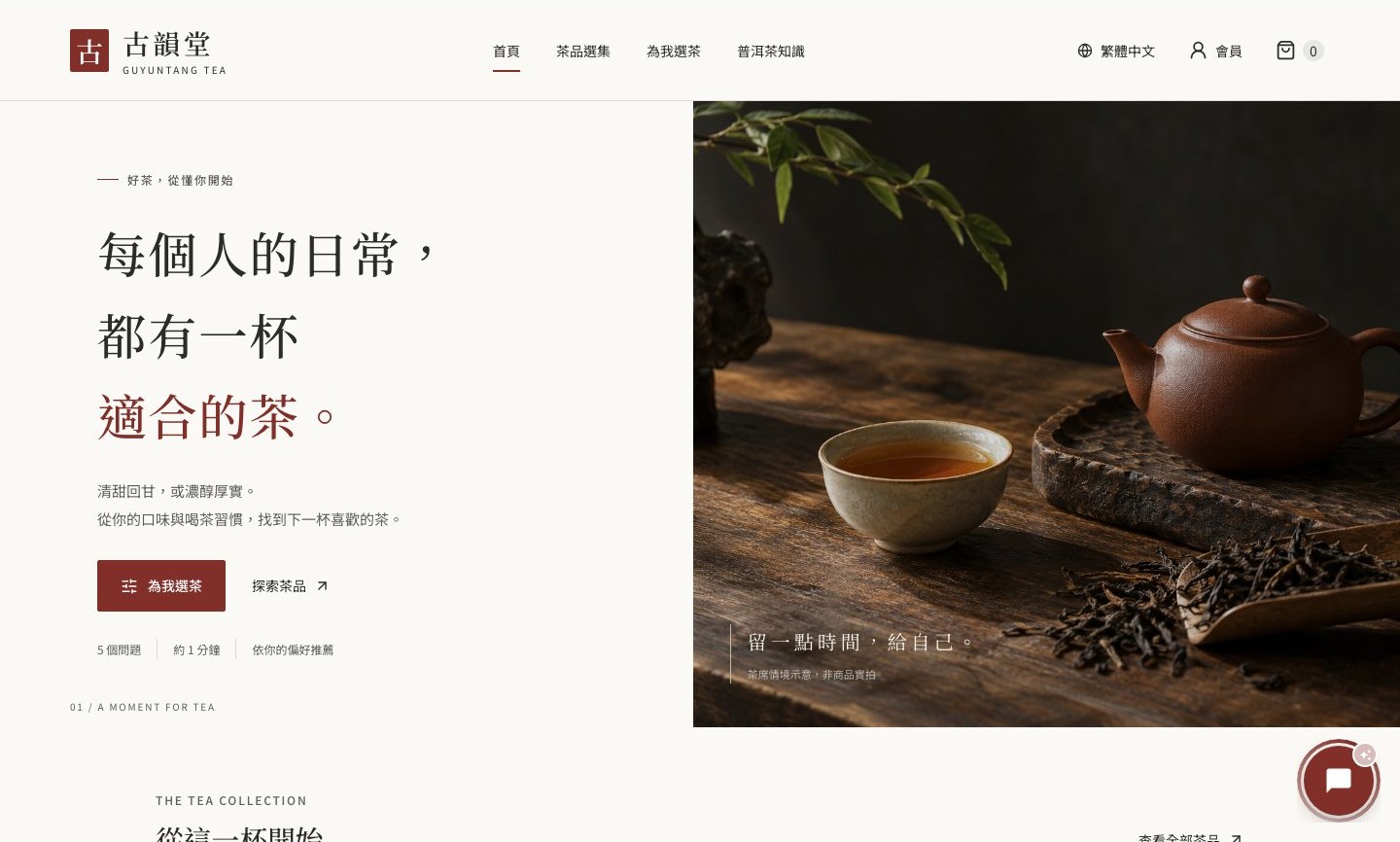
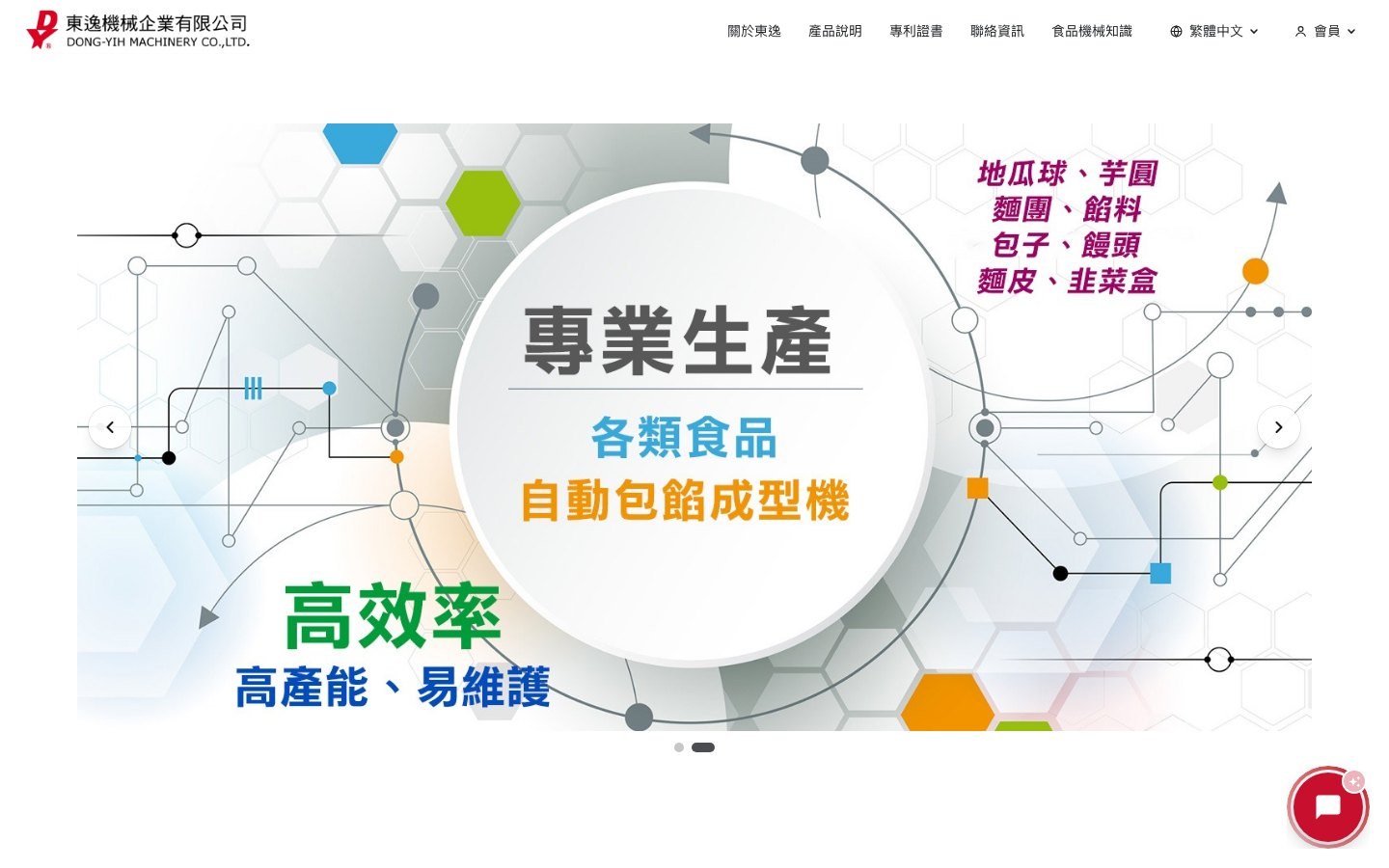
One knowledge base serving customers in three languages

When serving customers in Traditional Chinese, English and Japanese, the biggest fear is maintaining three sets of data, updating one and forgetting the others. A steadier approach is "one source, many languages".
Build on one set of material
Prepare a complete knowledge base in the main language (for example Traditional Chinese). Price ranges, rules and contact details are defined there.
Language versions follow
Website pages, product descriptions and FAQs each get a version in the corresponding language. The facts are identical, but written in wording natural to that language rather than word-for-word translation.
Answer in the visitor's language
Visitors on the English pages receive English answers; visitors on the Japanese pages receive Japanese. Figures, contact details and price ranges match the main material.
Unify proper nouns
Decide in advance how company names, service names and product models are written in each language, and keep them consistent across the site.
Mind culture and habits
Date formats, currencies, forms of address and politeness differ. Have someone familiar with the language read important pages.
Start with the most important languages
You do not need them all at once. Do the one or two that matter most, then expand according to your customers.